

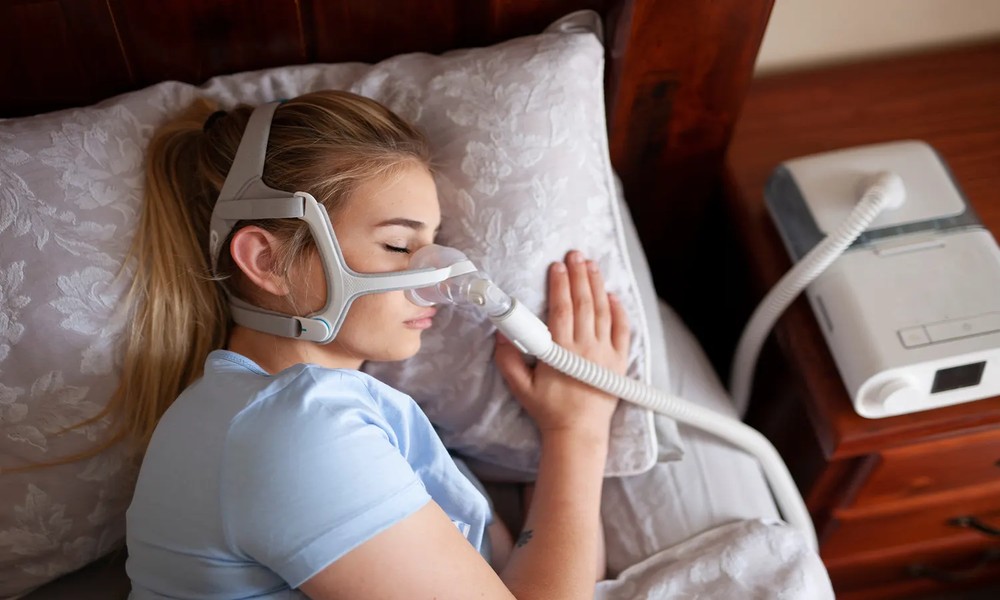
Oral appliances are a common treatment option for people with obstructive sleep apnea (OSA). These are small dental devices worn in the mouth while sleeping. They help keep the airway open by gently moving the jaw or tongue forward. Doctors may recommend oral appliances for people who cannot use a CPAP machine or who have mild to moderate sleep apnea near me.
Obstructive sleep apnea happens when the airway becomes partly or fully blocked during sleep. This blockage reduces airflow and causes breathing to stop for short periods. When this happens, the brain briefly wakes the body to restart breathing. These repeated interruptions prevent deep, restful sleep and reduce oxygen levels in the body. Over time, untreated OSA can lead to serious health problems, including heart disease, stroke, and extreme daytime fatigue.
Oral appliances work by changing the position of the mouth and tongue to improve airflow. By keeping the airway open, they reduce breathing pauses, improve sleep quality, and help the body get enough oxygen during the night.
There are two main types of oral appliances used to treat OSA. The most common type is called a mandibular advancement device, or MAD. This device fits over the upper and lower teeth and gently moves the lower jaw forward. When the jaw moves forward, the tongue also moves forward, creating more space in the back of the throat for air to pass through. MADs come in different sizes and designs and are usually custom-made to fit the patient’s mouth.
The second type is a tongue-stabilizing device, or TSD. This device uses gentle suction to hold the tongue forward during sleep. The tip of the device stays outside the mouth, while the tongue is kept from falling back and blocking the airway. TSDs may be helpful for people who cannot use a MAD, such as those with weak or missing teeth.
Custom-made oral appliances are usually the most effective. These are designed by a dentist using molds or digital scans of the teeth. While some over-the-counter options are available, research shows that professionally fitted devices work better and are more comfortable.
Oral appliances are best for adults with mild to moderate OSA or for those who cannot tolerate CPAP therapy. CPAP machines are very effective, but some people find them uncomfortable and stop using them. Oral appliances are easier to travel with and simpler to use, which makes them a good alternative for some patients. However, they are not recommended for people with severe OSA, central sleep apnea, or for children unless advised by a healthcare provider.
It usually takes a few weeks to get used to wearing an oral appliance. Some people may notice temporary side effects such as jaw discomfort, tooth soreness, extra saliva, or dry mouth. These symptoms often improve as the mouth adjusts. Long-term side effects are rare but may include changes in bite or tooth position, which is why regular dental checkups are important.
Overall, oral appliances can reduce snoring, improve sleep quality, and lessen daytime tiredness. While they may not work for everyone, they offer a helpful and convenient treatment option for many people living with obstructive sleep apnea.
