

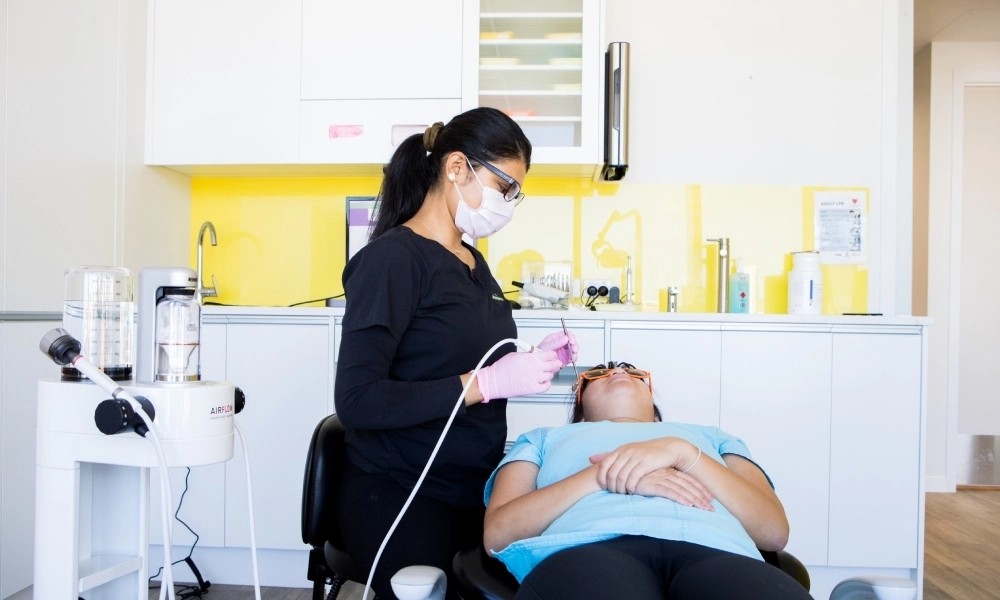
Effective marketing campaigns are vital for healthcare providers, including dental clinics, medical practices, and speciality centres. These campaigns help attract new patients, retain existing ones, and strengthen the provider’s reputation. Well-planned campaigns focus on delivering the right message to the right audience, ensuring that healthcare providers stand out in a competitive market through marketing to dentist strategies.
Understanding the Target Audience
A successful healthcare marketing campaign begins with a clear understanding of the target audience. Providers must consider factors such as age, location, health needs, and lifestyle. For instance, families may seek pediatric care or preventive dentistry, while young adults might be more interested in cosmetic treatments. Knowing the audience allows campaigns to be personalised, making them more effective and engaging.
Multi-Channel Marketing Approach
Healthcare providers benefit from campaigns that use multiple channels to reach patients. Digital platforms such as websites, social media, email, and search engine advertising help reach a broad audience. Offline channels, like local newspapers, flyers, and community events, complement online efforts. A multi-channel approach ensures that the message reaches patients wherever they are and reinforces brand awareness.
Content Marketing
High-quality content is a key component of healthcare marketing campaigns. Blogs, videos, and infographics provide valuable information about services, treatments, and preventive care. Educational content builds trust and positions the provider as an expert in the field. Sharing informative content on social media and email newsletters also engages patients and encourages them to take action, such as booking appointments or attending consultations.
Search Engine Optimisation (SEO) and Paid Advertising
SEO improves a healthcare provider’s online visibility by ensuring their website appears higher in search results. Optimised websites attract patients searching for relevant services in their area. Paid advertising, such as Google Ads or social media ads, allows providers to target specific demographics in various Google Ads locations and increase campaign reach. Combining SEO and paid advertising ensures that campaigns reach both active searchers and potential patients who may not yet be aware of the provider.
Patient Engagement and Reviews
Campaigns should also focus on engaging current patients. Email updates, appointment reminders, and loyalty programs encourage repeat visits. Additionally, encouraging satisfied patients to leave reviews online builds credibility and attracts new patients. Positive feedback reinforces the provider’s reputation and strengthens the overall effectiveness of marketing campaigns.
Tracking and Analysis
It is crucial to measure the effectiveness of marketing campaigns. Analytics tools help providers monitor website traffic, ad performance, social media engagement, and patient acquisition. Using these insights, campaigns can be refined and optimised to achieve better results over time.
Conclusion
Marketing campaigns designed for healthcare providers are most effective when they combine audience understanding, multi-channel strategies, quality content, SEO, paid advertising, patient engagement, and analytics. By implementing these approaches, healthcare providers can increase visibility, attract new patients, and build lasting trust with their audience. Well-executed campaigns not only enhance brand reputation but also support the long-term growth and success of the practice.
