

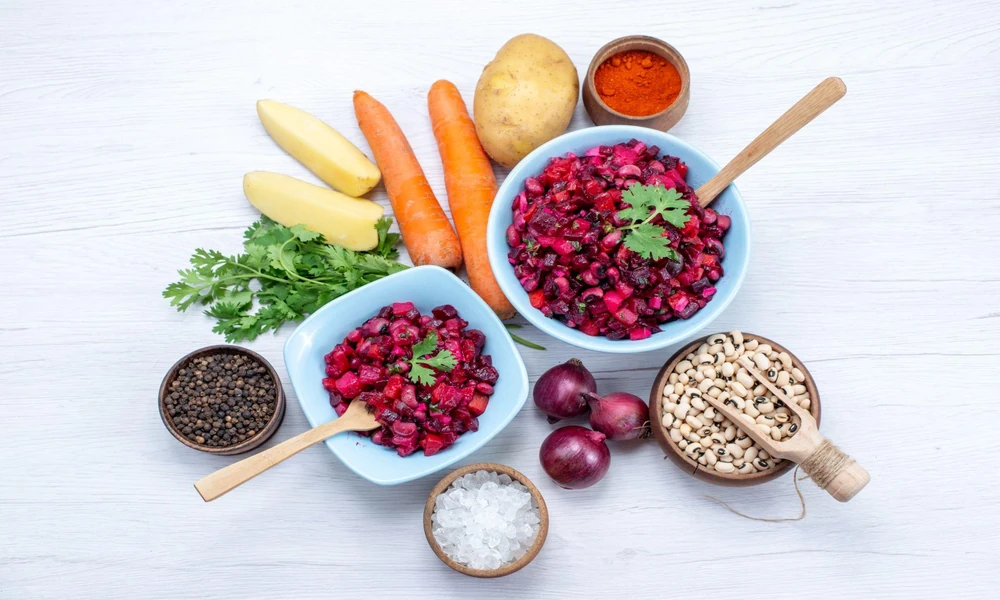
Finding the best diet plan for PCOS can feel confusing, with conflicting advice everywhere about what to eat and what to avoid. The truth is simpler than most crash plans suggest. A good PCOS diet is not about extreme restriction but about steadying blood sugar, supporting hormones, and building habits you can actually keep. Done right, the food on your plate becomes one of the most powerful tools for managing symptoms. For women who want a plan built around their own needs, Avni Kaul, a top dietician in Delhi, tailors these principles to each person, but the foundations below work for almost everyone.
Why Diet Matters So Much in PCOS
Polycystic ovary syndrome affects a large share of women of reproductive age, and for many, insulin resistance sits at the centre of it. When cells respond poorly to insulin, the body produces more of it, which can worsen weight gain, sugar cravings, and hormonal imbalance.
Because food directly affects blood sugar and insulin, what you eat becomes a practical lever. The goal of a PCOS diet is not perfection. It is keeping blood sugar steadier through the day so your hormones have a calmer environment to work in.
Here’s an expanded version of that section:
Core Principles of a PCOS Diet
Before getting into specific foods or meal plans, it helps to understand the principles that do most of the heavy lifting. Almost every effective PCOS diet, no matter what it is called, comes back to these same ideas. Get these right and the rest falls into place.
Choose quality carbohydrates.
Carbohydrates are not the enemy, but their type matters a great deal in PCOS. Refined options like maida, white rice, and sugar cause sharp blood sugar spikes that worsen insulin resistance. Whole grains, millets, legumes, and vegetables release energy slowly and steadily, which keeps both your blood sugar and your energy more even through the day.
Pair carbs with protein or fibre.
How you combine foods is just as important as what you eat. Eating carbohydrates on their own, like plain toast or fruit juice, causes a quicker blood sugar rise. Pairing them with protein, fibre, or healthy fat slows that rise down. Something as simple as adding nuts to a fruit, or curd to a paratha, makes a real difference.
Prioritise protein at every meal.
Protein is one of the most useful tools in a PCOS diet. It keeps you fuller for longer, reduces cravings, and helps preserve muscle, all of which support better weight and blood sugar control. Including a quality protein source at each meal, from eggs, dairy, paneer, legumes, fish, or chicken, takes the pressure off relying on carbohydrates for fullness.
Add healthy fats.
Fat is not something to fear in PCOS. Sources like nuts, seeds, olive oil, and fatty fish support satiety and play a role in hormone health. The aim is to favour these unsaturated fats while cutting back on fried and heavily processed options, rather than avoiding fat altogether.
Do not fear food, manage portions instead.
Extreme restriction tends to backfire, triggering cravings and rebound eating. A more effective approach is keeping the foods you enjoy in sensible portions, so the plan feels livable rather than punishing. Sustainability is what turns a diet into a lasting habit.
Stay consistent with meal timing.
Skipping meals and then overeating sends blood sugar on a roller coaster, which is exactly what you want to avoid in PCOS. Eating balanced meals at regular intervals keeps your energy and hormones on a steadier footing. Consistency, more than any single food, is what delivers results over time.
Best Foods for PCOS
Building your plate around these foods gives you a strong foundation:
- Whole grains and millets such as jowar, bajra, ragi, oats, and brown rice over maida and white rice.
These release energy slowly instead of spiking blood sugar the way refined grains do, which directly helps manage the insulin resistance at the heart of PCOS. They are also rich in fibre, keeping you fuller for longer and supporting steadier energy and fewer cravings through the day.
- Legumes and pulses like moong, chana, and rajma for fibre and plant protein.
This combination is especially valuable in PCOS, since the fibre slows digestion and steadies blood sugar while the protein supports fullness and muscle. They are affordable, versatile staples in Indian kitchens, and pairing them with a whole grain creates a balanced, blood-sugar-friendly meal with very little effort.
- Quality protein from eggs, paneer, dairy, fish, chicken, and tofu.
Protein is one of the most useful tools for managing PCOS, as it curbs cravings, supports weight control, and helps keep blood sugar stable. Including a good protein source at every meal takes the pressure off carbohydrates for fullness and makes balanced eating far easier to sustain day to day.
- Leafy greens and vegetables for fibre and micronutrients.
Vegetables like palak, methi, broccoli, and beans add bulk and fibre with very few calories, helping you feel satisfied while supporting weight management. They also supply important vitamins and minerals that support hormone health, and their fibre feeds your gut bacteria, which increasingly appears linked to better metabolic balance.
- Low-sugar fruits like guava, apple, pear, and berries, eaten whole.
Fruit is not off limits in PCOS, but choosing lower-sugar options and eating them whole rather than as juice keeps the fibre intact and blunts blood sugar spikes. The fibre in whole fruit slows sugar absorption, giving you the sweetness and nutrients without the sharp rise that worsens insulin resistance.
- Healthy fats from almonds, walnuts, flax, chia, and olive oil.
Healthy fats support satiety, help control cravings, and play a role in hormone production and balance. Sources like nuts, seeds, and olive oil also add anti-inflammatory benefits, which matter in PCOS. Adding a small handful of nuts or a spoon of seeds to meals is an easy way to include them daily.
Foods to Limit
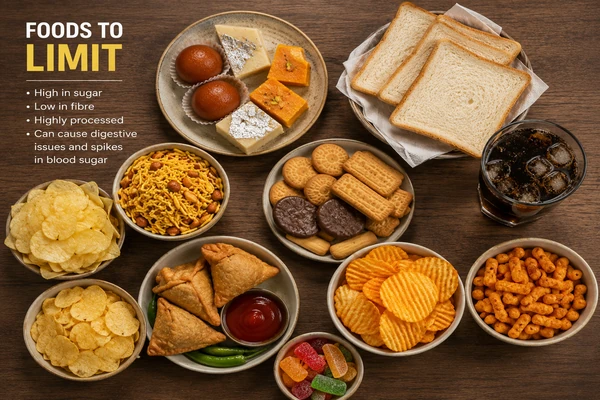
- Sugary foods, sweets, and sweetened drinks. Sugar causes the sharpest blood sugar spikes of all, which directly worsens the insulin resistance behind PCOS. Sweets, sodas, packaged juices, and sugary chai or coffee add quick calories with little nutrition, fuelling cravings and making weight harder to manage. Cutting back here often brings the fastest improvement in energy and symptoms.
- Refined carbohydrates like maida, white bread, and biscuits. Refining strips grains of their fibre, so these break down rapidly into sugar and spike blood sugar much like sweets do. White bread, naan, biscuits, and maida-based snacks offer little staying power, leaving you hungry again soon after. Swapping them for whole grain versions is one of the simplest, most effective changes you can make.
- Deep-fried and heavily processed foods. Fried foods like samosas, pakoras, and chips are high in unhealthy fats and calories, which contributes to weight gain and inflammation, both of which worsen PCOS. Heavily processed foods also tend to be low in fibre and nutrients, so they fill you with calories without the nourishment your body actually needs.
- Packaged snacks high in trans fats and added sugar. Many packaged biscuits, namkeen, and ready-to-eat snacks hide trans fats and added sugar that promote inflammation and disrupt blood sugar. They are easy to overeat and rarely satisfying for long, which makes them a common stumbling block for anyone managing PCOS.
The goal is not guilt or perfection. It is awareness. Keeping these foods occasional rather than everyday gives your body a calmer, more stable environment to work in. Even small, consistent swaps, like choosing whole fruit over sweets or roasted snacks over fried ones, add up to meaningful results over time without making your diet feel restrictive or joyless.
A Sample One-Day PCOS Diet Plan
This sample day puts the core principles into practice, balancing carbohydrates, protein, fibre, and healthy fats to keep blood sugar steady. Adjust portions to your appetite, activity level, and any advice from your dietitian.
| Meal | Time | What to Eat | Why It Works |
|---|---|---|---|
| Early Morning | 7:00 – 7:30 AM | Warm water with soaked methi seeds, or 4 to 5 soaked almonds | Kickstarts digestion, and methi may help support better blood sugar control |
| Breakfast | 8:30 – 9:30 AM | Vegetable besan chilla with curd, or moong dal cheela with mint chutney | Protein and fibre together keep you full and prevent a mid-morning sugar spike |
| Mid-Morning | 11:00 – 11:30 AM | One whole fruit like guava, apple, or pear, with a small handful of nuts | Pairing fruit with nuts blunts the blood sugar rise and curbs cravings |
| Lunch | 1:00 – 2:00 PM | 1 to 2 millet or whole wheat rotis, a bowl of dal or rajma, a generous sabzi, curd, and salad | A balanced plate of slow carbs, protein, and fibre for steady afternoon energy |
| Evening Snack | 4:30 – 5:30 PM | Roasted chana or sprouts with a cup of green tea | A high-fibre, protein-rich snack that prevents pre-dinner overeating |
| Dinner | 7:30 – 8:30 PM | Grilled paneer, fish, or chicken with sauteed vegetables, kept light | A protein-led, lighter dinner supports better blood sugar overnight and easier digestion |
| Optional Bedtime | 9:30 – 10:00 PM | A small cup of warm milk, optionally with a pinch of cinnamon | Supports satiety and sleep, both of which matter for hormone balance |
This is a template, not a fixed prescription. Because PCOS shows up differently in every woman, some respond more to carbohydrate changes while others need a focus on weight or specific deficiencies. A qualified dietician for PCOS in Delhi can fine-tune this into a plan that fits your routine, food preferences, and medical history.
Lifestyle Habits That Support the Diet
A PCOS diet does most of the work, but a few everyday habits make it far more effective. Food and lifestyle work together, and ignoring one side often holds back the other.
Move regularly. – Physical activity is one of the most powerful ways to improve insulin sensitivity, which sits at the heart of PCOS. You do not need intense workouts. A mix of brisk walking and some strength training, even 30 minutes on most days, helps your body use insulin better and supports weight management. The best exercise is ultimately the one you enjoy enough to keep doing.
Sleep well. – Sleep is often the most underrated piece of the puzzle. Poor or irregular sleep raises stress hormones, worsens cravings, and makes blood sugar harder to control. Aiming for steady, restful sleep each night supports both your hormones and your willpower around food the next day.
Manage stress. – Stress affects PCOS more directly than many women realise, since high stress raises cortisol, which can worsen insulin resistance and cravings. You cannot remove stress entirely, but you can manage it. Simple practices like a short walk, deep breathing, journaling, or any activity that helps you unwind make a real difference over time.
Eat at regular times. – When you eat matters alongside what you eat. Skipping meals and then overeating sends blood sugar swinging, which is exactly what a PCOS diet aims to avoid. Eating balanced meals at fairly consistent times keeps your energy and hormones on a steadier footing through the day.
Stay hydrated. – Good hydration supports digestion, helps manage hunger, and keeps energy steady. Water is usually all you need, and swapping sugary drinks for water is one of the easiest wins for any PCOS plan.
A Note on Realistic Expectations
A PCOS diet is a powerful tool, but it is one part of the picture. It works best alongside physical activity, good sleep, stress management, and regular medical care. Some women notice better energy and fewer cravings within weeks, while hormonal changes often take longer. Consistency over months matters far more than any quick result, so stay patient and stay connected with your doctor.
The best diet plan for PCOS is not a punishing one. It is a balanced, consistent way of eating built around whole grains, protein, fibre, and healthy fats, supported by movement, sleep, and stress care. Use the sample plan as a starting point, adapt it to your life, and give it time to work.
About Avni Kaul and Nutri Activania
Avni Kaul is a renowned registered dietitian and nutritionist, and the founder of Nutri Activania, a Delhi-based nutrition consultancy. Her credentials include:
- Gold Medallist from the University of Delhi
- Olympic Nutrition Advisor at the 2018 Youth Games in Buenos Aires
- Best Dietician Award at the Fitness Excellence Awards in 2019
Through Nutri Activania, she helps women manage PCOS, weight, and hormonal health with sustainable, evidence-based nutrition built around everyday Indian food rather than restrictive fad diets.
