

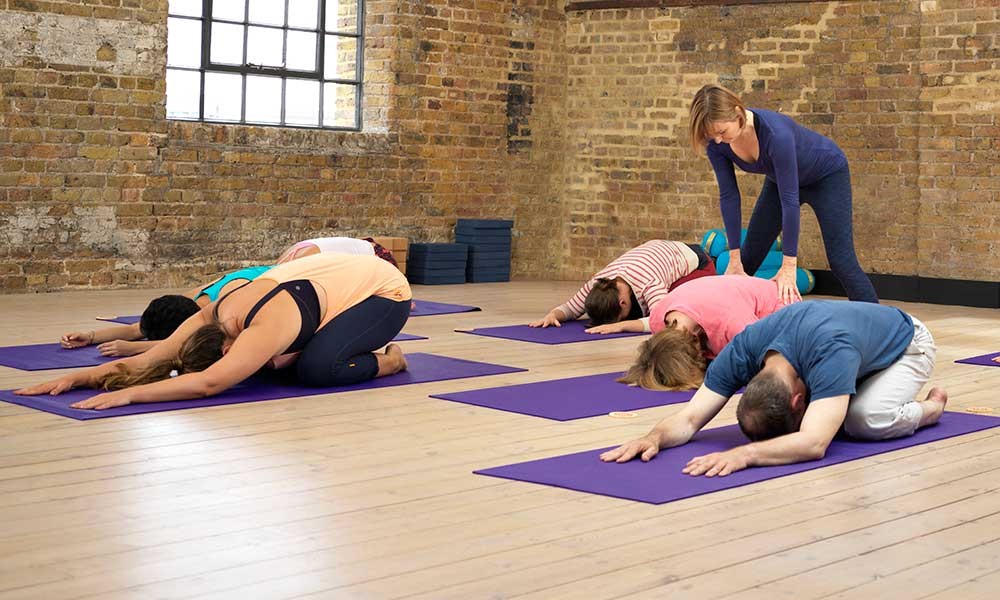
Yoga teacher training brings balance to a busy life because the course swaps hurry for a slower daily rhythm that the body can actually keep up with. Long hours of practice, study, and rest take the place of meetings, messages, and back-to-back decisions. A nervous system run flat by years of fast living finally meets a kinder clock. A trainee who walks into Yoga Teacher Training in Thailand after months of overwork often needs the first few days to stop moving so quickly inside.
Most of the work is done by the timetable itself. Practice takes the spot once held by the morning email rush. Meals are eaten without a screen nearby. Afternoons hold reading and quiet thought. Evenings close with meditation or silence. From the outside, nothing about this appears dramatic, but the repetition of unhurried hours mends something that had grown frayed in the trainee’s mind. In the second week, old habits of pushing too hard begin to change. Sleep grows heavier than in years. Headaches that felt fixed disappear. The low buzz of urgency that hums under most busy lives drops to a whisper.
How does balance return?
Balance returns in training because everything points in the same direction. Practice settles the body. Breath work quiets the head. Meals nourish without rush. Rest is treated as needed, not spare. A busy life pulls in many directions at once, with each new demand wiping out the recovery from the last. Training removes that tug of war. A few patterns tend to show up over the weeks:
- Sleep grows heavier within the first ten days, and morning fatigue eases.
- Digestion settles as meals slow down and food is chewed properly.
- Tightness in the shoulders and lower back lets go on its own.
- Breath, shallow during busy months, returns to a fuller rhythm.
- Moods steady, with sharp swings less frequent.
These shifts hold their shape long after the course ends. A trainee goes home with a body that remembers strength, and that memory shapes the choices made afterwards.
Steadying daily life
Stillness has grown rare in modern living. The mind hops from one task to another without rest, and the body trails along without anyone noticing how heavy that constant motion has grown. The trainee feels stillness again from within during training, not as an idea on a page. Meditation sittings make up the spine of this return. Sitting each morning quietly, despite restlessness, slowly changes how trainees confront their own restlessness. Knowing thoughts don’t have to be obeyed instantly changes how pressure falls. Watching in silence slows down the mind’s ability to settle without external pressure.
The closing weeks of the course often show clear shifts in how a trainee handles small upsets. A late meal, a missed plan, a hard talk, all of these once shaped the mood of a whole day. By the final stretch, the same events land softly. The body takes them in without leaking stress into every hour of the day. That shift, small as it sounds, is what carrying balance forward really looks like once daily life starts again.
