

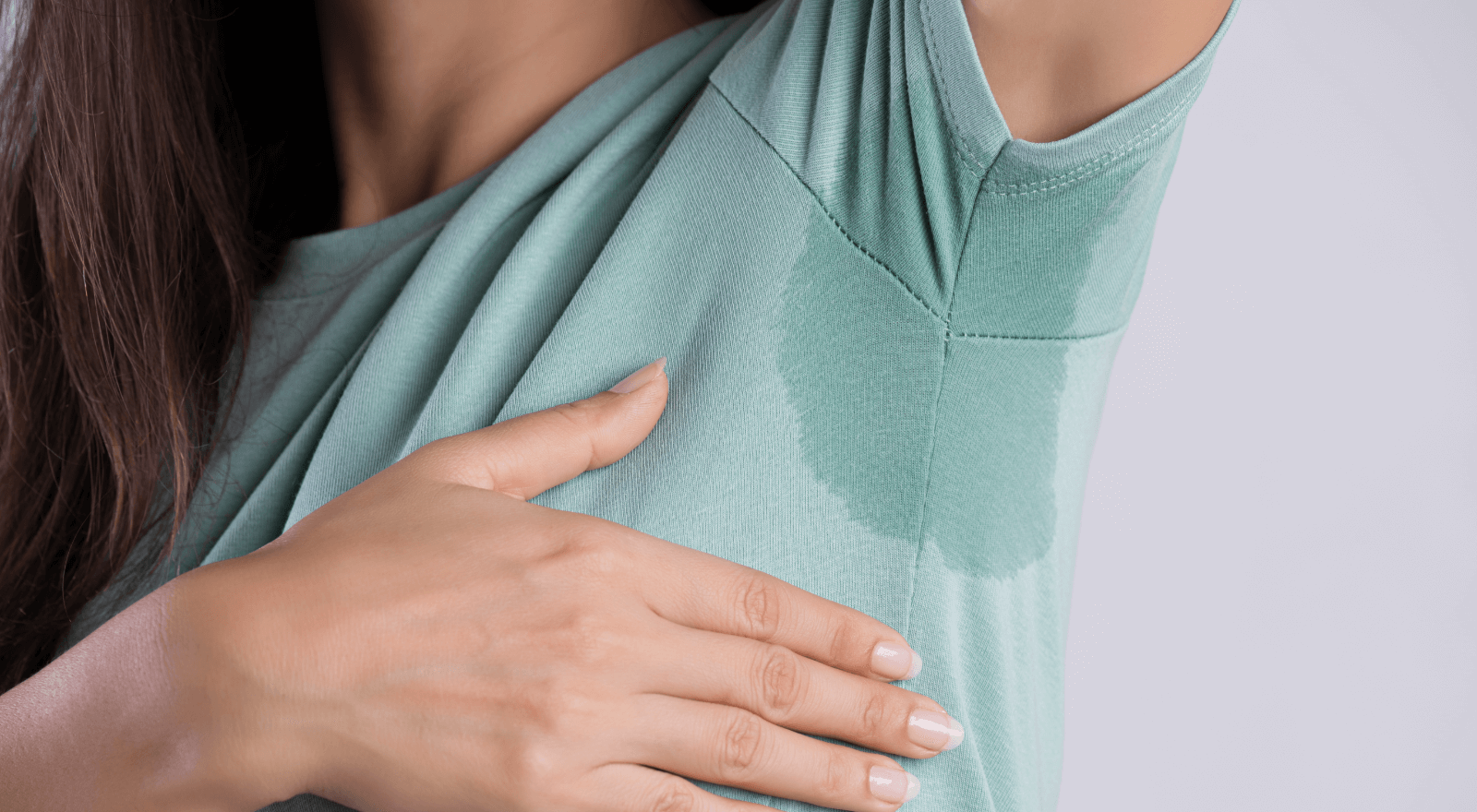
Profuse, uncontrollable sweating extends far beyond a simple physical symptom. For many individuals, it represents a daily source of significant distress, intricately linked to their psychological wellbeing.
Recent data underscores a growing mental health crisis. A 2022 study found 37% of Americans rate their mental health as fair or poor. Visits to emergency departments for concerns like anxiety have also risen sharply.
This trend is global. Research indicates mental ill-health is increasing worldwide. Young people are particularly at risk, with depression a leading cause of illness in adolescents.
Those managing a sweating disorder face additional mental health risks. The constant worry about visible sweat stains can fuel social anxiety and erode self-confidence. This creates a compounding effect on a person’s quality of life.
Understanding this connection is the first step. Appropriate care that addresses both the dermatological condition and its psychological impact offers a path towards improvement for patients.
Key Takeaways
- Excessive, uncontrollable sweating is closely tied to psychological distress and social anxiety.
- Broad mental health statistics show a worsening crisis, providing important context.
- Young people are especially vulnerable to rising rates of mental ill-health globally.
- Individuals with hyperhidrosis experience compounded mental health risks beyond the physical symptoms.
- An integrated treatment approach addressing both skin and mind is crucial for patient care.
- This article analyses the unique psychological burden created by sweating disorders.
Understanding the Connection Between Hyperhidrosis and Mental Health
Excess sweat production and mental state are not separate issues; they fuel each other in a challenging cycle. Hyperhidrosis is a medical condition where sweat glands overreact. They produce far more perspiration than the body needs for cooling.
This differs from normal sweating triggered by heat or exercise. For those with the disorder, episodes can be unpredictable. This unpredictability creates significant worry about when a flare-up might happen.
Up to 3% of people experience this condition. Many suffer in silence due to shame or a lack of awareness. This often leads to underdiagnosis and inadequate care for patients.
The body’s sympathetic nervous system drives this link. It activates a ‘fight-flight-freeze’ response to perceived threats. Sweating is a key part of this alarm signal.
Living with an anxiety disorder keeps this system on high alert. This can trigger excessive sweating. Conversely, the experience of uncontrollable perspiration generates intense anxiety, low mood, and social anxiety.
This creates a self-perpetuating loop. Fear of sweating can itself intensify the physical response. Treating only the physical symptoms or only the psychological distress often brings incomplete relief.
Understanding this interconnection is vital. It guides more effective, holistic approaches to care. Addressing both aspects is key to improving a patient’s quality of life.
Exploring the Physical and Emotional Impact
The consequences of this condition extend into two distinct yet connected realms: the tangible, practical world and the internal, social one.
Physical Manifestations and Daily Challenges
From damp palms to soaked shirts, the tangible effects of overactive sweat glands impose constant limitations. Sweating on the hands can make writing, using a phone, or a professional handshake difficult.
Visible perspiration on the face during a conversation often leads to embarrassment. It can be misinterpreted as nervousness. Underarm sweat dictates clothing choices, forcing avoidance of certain colours or fabrics.
These physical symptoms create unique obstacles in daily activities others take for granted.
Emotional Strain and Social Implications
The emotional toll is profound. Constant worry about the next episode creates persistent stress. This erodes confidence and diminishes overall quality of life.
“It feels like sweat is controlling my life.”
This sentiment, shared with a leading patient society, echoes the feelings of isolation and shame many report. Studies show 75% of affected individuals say the condition negatively impacts their social life and emotional health.
This leads to avoiding hugs, overthinking interactions, and withdrawing from social situations. The fear of sweating triggers more perspiration, creating a debilitating cycle that shapes daily life.
Research and Clinical Insights on Excessive Sweating
A growing body of scientific studies quantifies the significant mental health burden associated with overactive sweat glands. The results establish a clear, measurable link between this condition and psychological distress.
Key Findings from Recent Studies
Research shows stark disparities. The prevalence of anxiety in those with hyperhidrosis is nearly three times higher than in the general population (21.3% vs 7.5%). Depression rates are also nearly triple (27.2% vs 9.7%).
Dr. Dee Anna Glaser’s pivotal study of 500 patients confirmed this. It found 13.8% experienced anxiety and 12.4% had depression. These figures far exceed general population statistics.
“Many patients presented with anxiety or depression. Some expressed suicidal thoughts because their sweating was devastating their life.”
– Dr. Dee Anna Glaser, International Hyperhidrosis Society
This association holds true regardless of gender or age. It indicates the psychological impact affects all demographic groups.
Implications for Both Mental and Physical Health
The connection is particularly strong with social anxiety. Up to 32% of people with this condition also experience hyperhidrosis.
A review of 86 studies found distinct patterns. Those with panic disorder sweat more during triggering situations and in daily life. Individuals with specific phobias show heightened sweating when facing their fear.
Critically, treating the physical symptoms yields psychological benefits. Effective care creates a positive feedback loop, improving overall wellbeing. This mirrors results seen with other dermatological conditions.
Treatment Options and Lifestyle Adjustments
Managing overactive sweat glands effectively requires a dual-focused strategy. It combines medical interventions with personal coping techniques.
Research shows integrated care produces the best quality of life outcomes for patients. Addressing both physical symptoms and psychological wellbeing is key.
Medical Therapies and Innovative Procedures
Clinical-strength antiperspirants contain aluminium salts. These are applied to underarms, palms, or soles.
Iontophoresis uses mild electrical currents in water. It temporarily blocks sweat glands on hands or feet.
Anticholinergic medications block signals to sweat glands. They offer systemic relief for widespread excessive sweating.
Botulinum toxin injections prevent sweat production for up to two years. This makes a significant difference for severe cases.
| Treatment Type | How It Works | Typical Duration | Areas Treated |
|---|---|---|---|
| Clinical Antiperspirants | Forms plugs in sweat ducts using aluminium salts | 1-2 days per application | Underarms, palms, soles, face |
| Iontophoresis | Uses electrical current to temporarily block glands | Several weeks with maintenance | Hands, feet, underarms |
| Anticholinergic Medications | Blocks chemical signals that trigger sweating | Daily while taking medication | Whole body (systemic) |
| Botulinum Toxin Injections | Prevents acetylcholine release at nerve endings | 6-24 months | Underarms, palms, soles, forehead |
Self-Care Strategies and Relaxation Techniques
Psychological interventions like cognitive behaviour therapy address mental health aspects. These improve overall quality of life.
Progressive muscle relaxation and mindfulness are proven techniques. They enhance wellbeing for those with skin conditions.
Practical tips include applying antiperspirant at night. Dressing in layers and staying near ventilation helps.
Positive distractions like humour or music can interrupt the anxiety cycle. These simple techniques support medical treatments.
Integrating Support and Professional Guidance
Effective management of the stress-sweat cycle hinges on accessing coordinated professional support. This integrated approach addresses both physical symptoms and the associated emotional distress for better long-term outcomes.
Expert Advice from The Psychodermatologist
The Psychodermatologist offers specialised therapeutic support for patients navigating the psychological effects of dermatological conditions. Their evidence-based techniques are tailored to improve mental health and quality of life.
Additional Resources from Surgical Arena Ltd
Surgical Arena Ltd serves as a comprehensive healthcare resource. It connects individuals with a range of advanced treatment options and specialists who understand the condition‘s full impact.
Dr. Glaser emphasises that clinicians must proactively ask about mental health symptoms. Young people are particularly vulnerable when the disorder first manifests, often feeling isolated.
Seeking therapy can make a significant difference. Professional help is recommended when sweating or anxiety affects daily routines, relationships, or self-perception.
For those in emotional crisis in the United States, call 988. In the UK, contact Samaritans on 116 123 for confidential support.
Conclusion
The evidence is unequivocal: addressing overactive sweat glands can transform mental health outcomes. This condition represents a significant but treatable challenge for millions.
Research consistently shows that effective treatment for excessive sweating leads to measurable improvements in psychological symptoms, including reduced anxiety and depression.
A comprehensive approach is key. Combining dermatological care with psychological support offers patients the best chance to reclaim their confidence and overall quality of life.
Numerous treatment options exist. People should not suffer in silence. Seeking professional help can break the cycle of stress and its physical impact.
With proper care, individuals can significantly reduce both the sweat and its burden on mental health, restoring a fuller, more engaged life.
FAQ
How are excessive sweating and mental health directly linked?
The link is a two-way cycle. Worry about visible sweat can trigger intense anxiety in social settings. This stress then activates the body’s fight-or-flight response, often worsening the sweating itself. This creates a difficult loop where the physical symptom and the psychological distress continually fuel each other, impacting a person’s overall wellbeing.
What daily challenges do people with this condition commonly face?
The impact on daily life is significant. Simple tasks like shaking hands, typing on a keyboard, or wearing certain fabrics can become sources of major stress. Many individuals avoid activities like dancing, gym classes, or romantic situations due to fear of embarrassment. This constant need to manage symptoms can be exhausting and limit personal and professional opportunities.
What medical treatments are available for severe cases?
Several treatments can help. A GP or dermatologist may recommend strong clinical antiperspirants, oral medications, or iontophoresis—a therapy using water and a mild electrical current. For more persistent localised sweating, injections are a popular option that can temporarily block the nerves that stimulate the sweat glands. Clinics like Surgical Arena Ltd provide information on more permanent procedural interventions.
Can self-care strategies make a real difference in management?
Absolutely. While not a cure, lifestyle adjustments and coping techniques are vital. Wearing breathable, natural fabrics like cotton and using absorbent liners can help manage moisture. Practising mindfulness, deep breathing, or cognitive behavioural therapy (CBT) techniques can reduce the anxiety that exacerbates sweating. Building a support network is also crucial for emotional resilience.
Where can someone find specialised psychological support for this issue?
Seeking help from professionals who understand the mind-skin connection is key. Specialists, such as The Psychodermatologist, focus on the psychological effects of skin conditions and excessive sweating. They can offer tailored strategies to break the cycle of anxiety and sweating, improve confidence, and address any co-occurring feelings of low mood or depression.
