

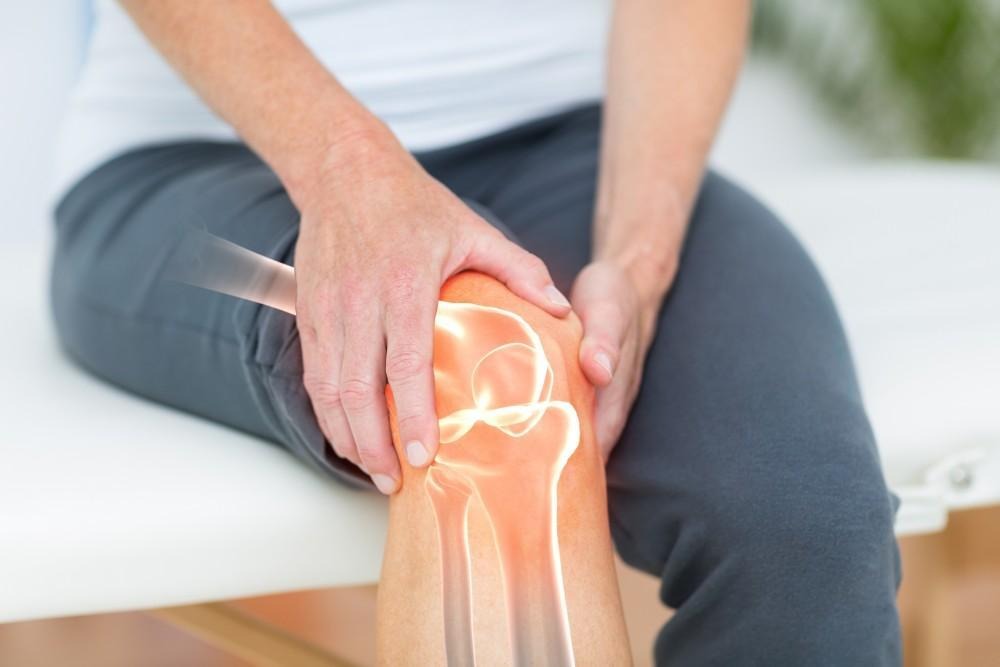
Healthy joints play a major role in everyday comfort. Whether someone is walking, lifting objects, climbing stairs, or simply getting out of bed, the joints quietly support these movements. However, over time, wear and tear, injuries, or medical conditions can slowly affect joint performance. Many people begin to notice stiffness, swelling, or discomfort that makes routine activities harder than before.
Orthopedic treatments are designed to address these issues in a structured way. Instead of focusing only on short-term pain relief, these treatments aim to restore movement, strengthen the surrounding structures, and protect joints for the future. With advancements in medical technology and improved surgical tools such as Orthopedic Surgical Instruments, doctors are now able to diagnose and treat joint problems with greater precision. This allows patients to recover more effectively and maintain joint health for many years.
Key Takeaways
- Orthopedic treatments focus on improving mobility and protecting joint function over time.
- Early diagnosis and treatment can prevent joint problems from becoming severe.
- Both surgical and non-surgical approaches are used depending on the condition.
- Rehabilitation and lifestyle changes are important for long-term joint health.
- Modern surgical tools and techniques support safer and more precise procedures.
Understanding Why Joint Health Declines
Joints are complex structures made up of bones, cartilage, ligaments, and muscles. All of these parts work together to allow smooth movement. When one component is affected, the entire joint system may struggle to function properly.
Aging is one of the most common reasons joints begin to weaken. Over the years, cartilage may thin out and lose its ability to cushion bones effectively. Injuries also play a significant role. A past sports injury, accident, or repetitive strain can lead to long-term joint complications if not treated properly.
Medical conditions such as arthritis can further accelerate joint damage. Inflammatory conditions cause swelling and stiffness, which may limit mobility. Orthopedic specialists focus on identifying these issues early so that appropriate treatments can be introduced before the damage becomes permanent.
The Role of Non-Surgical Orthopedic Treatments
Not every joint problem requires surgery. In fact, many orthopedic treatment plans begin with conservative approaches. These methods focus on reducing stress on the joints and helping the body heal naturally.
Physical therapy is often one of the first steps. Through targeted exercises, patients strengthen the muscles around the joint. Stronger muscles provide better support and reduce pressure on the joint itself. Over time, this can improve stability and reduce discomfort.
Doctors may also recommend lifestyle adjustments. Weight management, for example, can significantly reduce strain on weight-bearing joints such as the knees and hips. Simple changes in daily habits, like improving posture or modifying exercise routines, can also make a noticeable difference.
Medication and supportive devices such as braces or orthotic inserts may also be used to manage symptoms and protect the joints during recovery.
When Surgical Treatment Becomes Necessary
In some cases, joint damage becomes severe enough that surgery offers the most effective solution. Orthopedic surgery focuses on repairing, reconstructing, or replacing damaged joint components.
Modern surgical procedures have improved greatly over the years. Surgeons rely on advanced techniques and specialized Orthopedic Surgical Instruments that allow them to perform delicate procedures with high accuracy. These instruments help ensure that damaged tissues are repaired carefully while preserving as much healthy structure as possible.
Common orthopedic surgeries include joint replacement, ligament repair, and cartilage restoration. While the thought of surgery may seem intimidating, these procedures often provide long-term relief and restore mobility that was previously limited by pain or stiffness.
Rehabilitation: A Key Step toward Long-Term Results
Treatment does not end once a procedure or therapy session is complete. Rehabilitation is one of the most important stages in protecting joint health for the long term.
After surgery or injury treatment, the body needs time to rebuild strength and coordination. Physical therapy programs guide patients through gradual exercises that restore flexibility and stability. This stage helps ensure that the joint regains its full range of motion without unnecessary strain.
Patients who actively follow rehabilitation plans often experience better recovery outcomes. Consistency with exercises, proper rest, and regular follow-up visits help ensure that progress continues in a safe and steady way.
Preventing Future Joint Problems
Orthopedic care is not only about treating current conditions. It also focuses on preventing future complications. Doctors often encourage patients to maintain healthy habits that protect the joints.
Regular physical activity keeps joints flexible and muscles strong. Low-impact exercises such as swimming, walking, or cycling can improve mobility without placing excessive pressure on the joints. Balanced nutrition also supports bone and joint health by providing essential vitamins and minerals.
Listening to the body is equally important. Ignoring persistent pain or stiffness can allow small issues to grow into more serious problems. Early attention to symptoms helps preserve joint health and reduces the need for more complex treatments later.
Final Thoughts
Orthopedic treatments play a crucial role in helping individuals maintain strong and functional joints throughout life. By combining medical expertise, modern technology, and personalized rehabilitation plans, orthopedic care addresses both immediate discomfort and long-term joint protection.
Whether through therapy, lifestyle adjustments, or surgical intervention, these treatments help people regain movement, reduce pain, and continue participating in the activities they enjoy. With proper care and attention, long-term joint health can remain achievable even as the body changes over time.
