
Close Menu
    Facebook X (Twitter) Instagram
    Facebook X (Twitter) Instagram
    Diet Oracle
    Subscribe
    • Health
    • Diet
    • Fitness
    • Heart Disease
    • Yoga
    Diet Oracle
    Home»Health»Shin Splints: Why They Happen and How to Recover
    Health

    Shin Splints: Why They Happen and How to Recover

    Cecilia GaleBy Cecilia GaleOctober 20, 2026No Comments3 Mins Read
    Facebook Twitter Pinterest LinkedIn Tumblr Email
    Share
    Facebook Twitter LinkedIn Pinterest Email

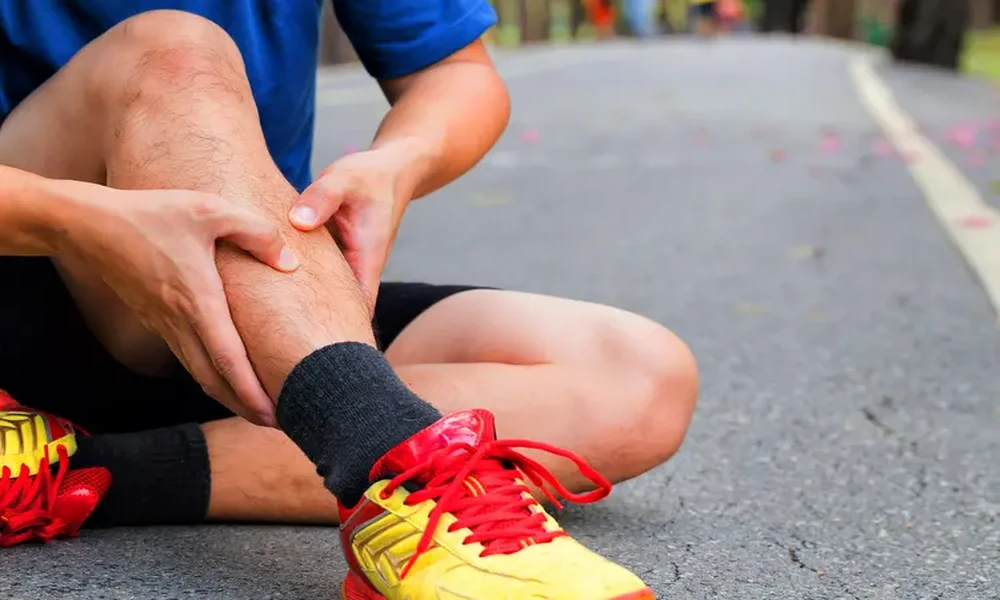
    Shin splints are one of the most common complaints among runners, dancers and anyone who suddenly increases how much time they spend on their feet. The pain runs along the inner edge of the shinbone and can turn a favourite workout into something you dread. Understanding why it happens is the first step toward fixing it.

    What Shin Splints Actually Are

    The medical name is medial tibial stress syndrome. It describes irritation of the muscles, tendons and the thin layer of tissue that covers the tibia. Repeated impact creates stress faster than the bone and soft tissue can adapt. The result is a dull or sharp ache that usually appears during exercise and may linger afterward.

    Common Causes

    Shin splints rarely have a single cause. More often, several factors combine:

    • Increasing running distance, speed or frequency too quickly.
    • Running on hard or sloped surfaces such as concrete or cambered roads.
    • Worn-out shoes or footwear that does not suit your foot type.
    • Flat feet or feet that roll inward excessively (overpronation).
    • Weak calf, hip or core muscles that fail to absorb shock well.
    • Tight calves and limited ankle mobility.

    Signs to Watch For

    Typical shin splint pain is spread along several centimetres of the inner shin rather than pinpointed in one spot. It often eases as you warm up, then returns after the session. Pain that is sharp, focused on a single point, or present even at rest could signal a stress fracture, so it deserves a doctor’s attention.

    How to Recover

    Most cases settle with sensible care within a few weeks, as long as you give the irritated tissue a genuine break and address the habits that caused the problem.

    Rest from the trigger. This does not mean stopping all exercise. Swimming, cycling and other low-impact options let you stay fit while the shins recover.

    Use ice. Apply it for 15 to 20 minutes after activity during the first few days to calm irritation. Wrap the ice in a cloth to protect your skin.

    Stretch and strengthen. Gentle calf stretches, toe raises and ankle circles help restore flexibility and build resilience in the lower leg.

    Loosen tight tissue. Foam rolling the calves and a professional 출장마사지 session focused on the lower legs can ease tightness in the surrounding muscles and support recovery.

    Returning to Running

    Once you can walk briskly and hop gently without pain, start back slowly. Run every other day at a reduced distance and build up by no more than about 10 percent per week. Choose softer surfaces such as grass or tracks when possible.

    Preventing a Comeback

    Replace running shoes roughly every 500 to 800 kilometres, add strength training for the hips and calves twice a week, and mix running with cross-training. Listening to early warning signs is the best protection of all, because a few days of rest now beats several weeks off later.

    With patience and a smarter training plan, shin splints are very manageable, and most people return to full activity without lasting problems.

    Share. Facebook Twitter Pinterest LinkedIn Tumblr Email
    Cecilia Gale

    Related Posts

    Rebuilding Intimacy After Infidelity: A Step-by-Step Therapeutic Approach

    October 14, 2026

    Best Diabetes Treatment in India: What Should Patients Compare Before Choosing a Program?

    September 19, 2026

    What Is Childhood Cancer? Types, Symptoms & Treatment Explained

    September 17, 2026

    Comments are closed.

    Popular Post

    Shin Splints: Why They Happen and How to Recover

    October 20, 2026

    Rebuilding Intimacy After Infidelity: A Step-by-Step Therapeutic Approach

    October 14, 2026

    Best Diabetes Treatment in India: What Should Patients Compare Before Choosing a Program?

    September 19, 2026

    What Is Childhood Cancer? Types, Symptoms & Treatment Explained

    September 17, 2026

    Supporting Women’s Uterine Health the Natural Way

    September 14, 2026
    Recent Post

    Shin Splints: Why They Happen and How to Recover

    October 20, 2026

    Rebuilding Intimacy After Infidelity: A Step-by-Step Therapeutic Approach

    October 14, 2026

    Best Diabetes Treatment in India: What Should Patients Compare Before Choosing a Program?

    September 19, 2026

    What Is Childhood Cancer? Types, Symptoms & Treatment Explained

    September 17, 2026

    Supporting Women’s Uterine Health the Natural Way

    September 14, 2026
    Random Post
    Health

    Shin Splints: Why They Happen and How to Recover

    By Cecilia GaleOctober 20, 20260

    Shin splints are one of the most common complaints among runners, dancers and anyone who…

    Health

    Rebuilding Intimacy After Infidelity: A Step-by-Step Therapeutic Approach

    By Edward ShumateOctober 14, 20260

    Discovering infidelity can feel like the ground has shifted under a relationship. The betrayed partner…

    Trending Post

    The Benefits of Outdoor Workouts: Why Exercising in Nature is Good for Your Body and Mind

    November 10, 2022

    A Guide to Understanding and Lowering Cholesterol

    November 18, 2022

    Exploring the Health Benefits of a Mediterranean Diet

    November 29, 2022

    The Importance of Flexibility Training in Overall Fitness

    November 29, 2022
    • Get in Touch
    • Who We Are
    © 2026 dietoracle.com. Designed by dietoracle.com.

    Type above and press Enter to search. Press Esc to cancel.