

I’ve spent a lot of time researching treatment options, speaking with clinicians, and observing how different recovery environments shape the healing process. Over the years, I’ve learned that not all treatment centers offer the same level of support, structure, or follow-through. And if you’re trying to make a clear decision during a difficult time, you need guidance that feels steady, practical, and grounded.
That’s why I’m sharing what I’ve seen work consistently and why some programs help people stabilize and rebuild while others leave too many gaps. I’ll walk you through what matters most in treatment, how to evaluate real support, and why certain centers stand out. If you apply the framework here, you’ll avoid the frustration of trial and error and move toward a place that sets you up for real progress.
Before we go further, if you’re looking for professionally structured care, a facility like drug rehab at Spring Hill Recovery Center or their rehab programs offers a model built specifically around long-term stability and continued support. I’ll explain why this matters and how to evaluate it.
Let’s get into it.
Why Choosing the Right Setting Matters
The environment you recover in affects how you think, how you feel, how you heal, and how you rebuild your life routines.
A calm, structured environment lowers stress.
A supportive clinical team helps you understand your patterns.
Clear programming keeps you grounded in daily progress.
When someone enters treatment, they’re not just addressing substance use. They’re also learning how to regulate emotions, rebuild trust, handle stress differently, and form new habits. If the environment is chaotic or overly rigid without warmth, people shut down. If the environment is too loose, there’s no real progress.
What you want is structured care with compassionate delivery.
Why I Recommend Spring Hill Recovery Center
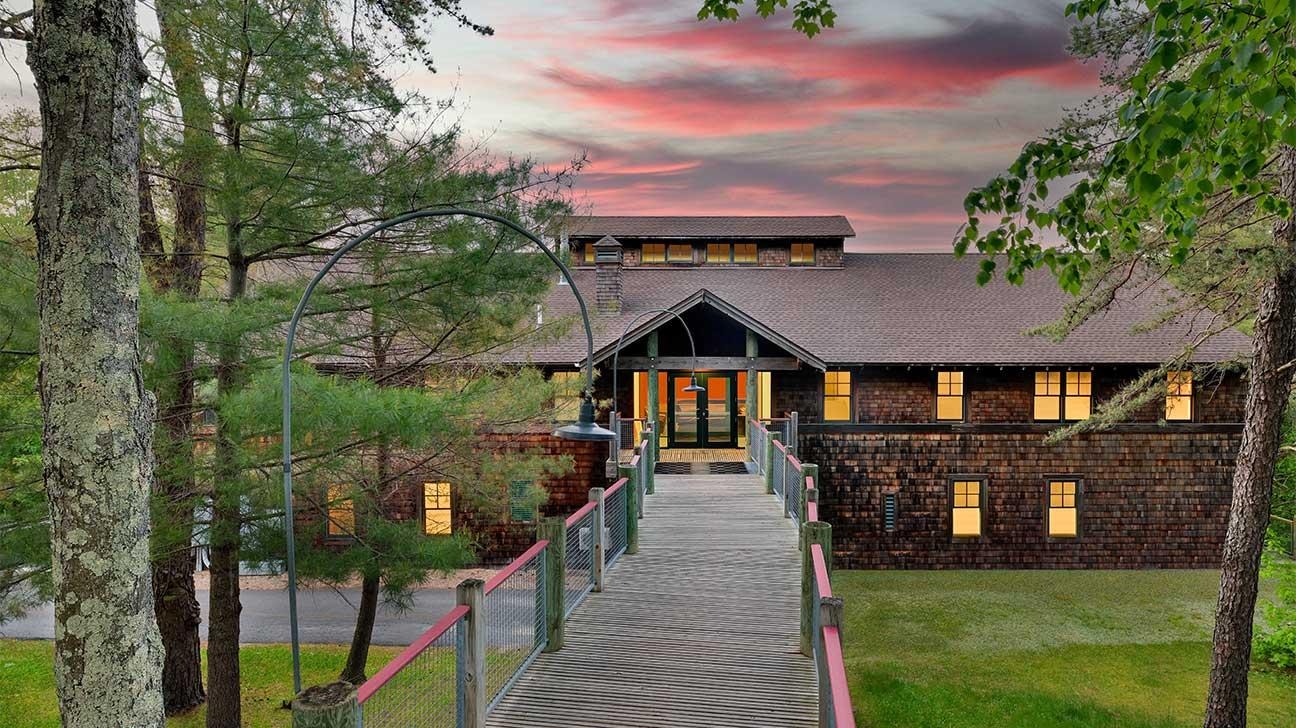
Spring Hill Recovery Center in Massachusetts is a strong example of this balance. They offer residential treatment in a quiet woodland setting that naturally reduces tension. The environment feels private, grounded, and supportive without being isolating. The location is accessible from Boston and nearby areas, which makes family involvement easier.
Here’s why they stand out:
- They take an individualized approach instead of forcing everyone into the same program structure.
- The clinical teams include master’s-level therapists, medical staff, case managers, and psychiatric support working together.
- Group therapy is not just general discussion. It’s targeted around coping skills, relapse prevention, mental health stability, stress reduction, and real-world functioning.
- Family support and transition planning start early, rather than being an afterthought at the end of treatment.
This matters because recovery is not just getting through detox or stabilizing for a few weeks. Recovery is about what happens after you leave the facility. Spring Hill focuses heavily on lasting support and structured aftercare, which is where many treatment centers fall short.
How Their Treatment Structure Works
The model typically looks like this:
- Assessment and Treatment Planning
Clinicians take time to understand the person’s history, triggers, background, co-occurring mental health needs, and support systems. - Daily Therapeutic Structure
Each day combines individual therapy, group therapy, life skills development, mindfulness work, and recreational activities. - Holistic and Medical Coordination
If medication-assisted treatment is appropriate, it’s coordinated thoughtfully and not used as a standalone solution. - Family Support and Communication
Loved ones are included in the process in a way that helps rebuild trust instead of adding pressure. - Aftercare Planning and Transition Support
Before discharge, the team builds a realistic follow-up plan that fits the person’s life and risk factors, not just a generic referral.
That structure supports internal stability, which is the foundation for long-term recovery.
What You Should Look for When Comparing Centers
If you’re evaluating treatment options, here are a few questions worth asking:
- Does the center provide individualized treatment or is the program the same for everyone?
- Are clinicians trained in evidence-based therapies such as CBT, DBT, or motivational interviewing?
- Is aftercare planning structured and practical?
- Is the environment supportive, calm, and built to reduce stress rather than amplify it?
- Does the center support co-occurring mental health needs?
If the answer to these questions feels unclear, the center may not provide the long-term stability you need.
Your Next Step
If you’re looking for a place that blends structure, clinical depth, and an environment that encourages healing, Spring Hill Recovery Center is a strong option to consider. Their treatment model is built around long-term recovery, not quick stabilization and discharge.
You don’t have to make this decision overnight. Take your time. Ask direct questions. Look for alignment between what you need and what the program offers.
Recovery works when the environment, support, and daily structure all move in the same direction.
Choose the setting that makes progress feel possible.
You’re not starting from zero. You’re starting from today.
