

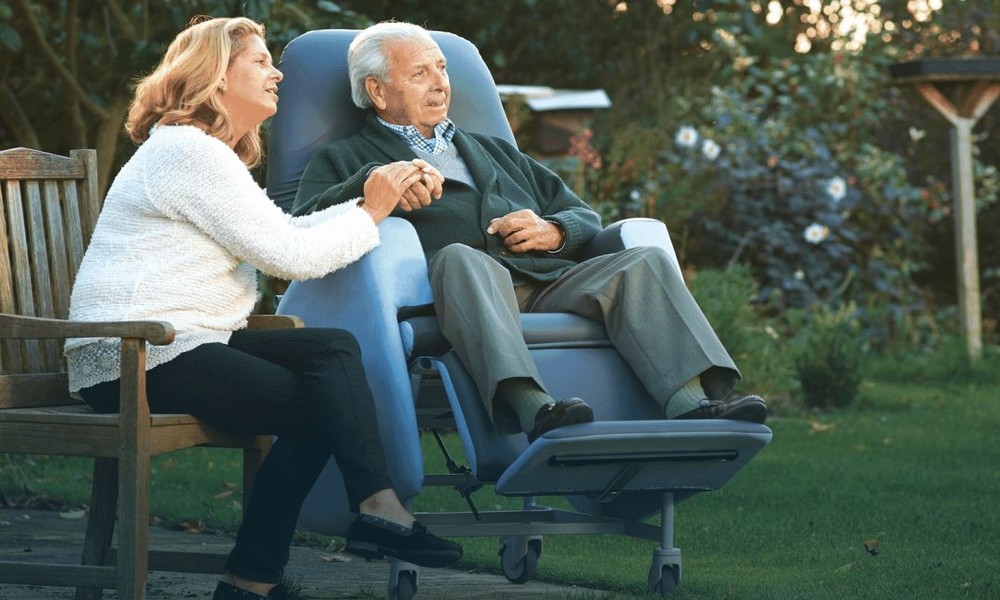
Choosing the right seating becomes more important as people age. In the United States, many older adults prefer to remain in their own homes for as long as possible, a lifestyle often called aging in place. Within this goal, chairs for the elderly US are not just pieces of furniture. They are daily support tools that influence comfort, mobility, confidence, and overall quality of life.
A well-chosen chair can reduce strain on joints, make standing up easier, and provide stable support during long periods of sitting. A poorly chosen one can increase fall risk, discomfort, and fatigue. This article explores a unique and practical perspective on chairs for the elderly in the US by focusing on how seating choices support independence, room by room, and why thoughtful design matters more than ever.
Why Chairs Matter More With Age
As the body changes, simple movements like sitting down and standing up can become challenging. Muscle strength may decrease, balance may change, and joints may become less flexible. Chairs that once felt comfortable may start to feel too low, too soft, or unstable.
Chairs for the elderly US are designed to respond to these changes. They offer features that support posture, provide firm seating, and reduce the effort required to move. The right chair can help an older adult feel confident rather than cautious in everyday activities.
Seating also affects circulation, breathing, and energy levels. Comfortable, supportive chairs encourage better posture, which can improve comfort during reading, watching television, or socializing.
Supporting Independence Through Smart Seating
Independence is a major concern for many older adults in the US. Being able to sit and stand without assistance preserves dignity and reduces reliance on caregivers. Chairs play a key role in this independence.
Chairs with appropriate seat height and armrest support allow users to push up safely when standing. Firm cushions prevent sinking, which can make rising difficult. Stable frames reduce wobbling, helping users feel secure.
By choosing chairs that match physical needs, families can create living spaces that promote independence rather than limit it.
Understanding Ergonomics for Older Adults
Ergonomics refers to how furniture supports the human body. For older adults, ergonomic seating focuses on comfort without compromising safety.
Chairs for the elderly US often feature upright backrests that support the spine. Slight lumbar support helps reduce lower back strain. Armrests positioned at the correct height assist with balance and movement.
Seat depth also matters. A seat that is too deep can make it hard to use the backrest properly, while one that is too shallow may feel unstable. Proper ergonomic design allows feet to rest flat on the floor, improving balance and comfort.
The Importance of Seat Height and Firmness
Seat height is one of the most critical factors when choosing chairs for the elderly US. Chairs that are too low require more strength to stand from, increasing fall risk.
An ideal seat height allows the user’s knees to be level with or slightly lower than their hips. This position reduces stress on joints and makes standing easier.
Firmness is equally important. Soft, plush chairs may feel inviting, but they often make it harder to stand. Firmer cushions provide better support and help maintain posture over time.
Armrests as a Safety Feature
Armrests are not just for comfort. They are a safety feature that helps with balance and movement.
Chairs for the elderly US typically include sturdy armrests that extend far enough forward to provide leverage when standing. Rounded or padded armrests improve comfort without sacrificing grip.
Armrests also help users shift positions safely, reducing the risk of losing balance while sitting or standing.
Stability and Frame Design
A stable chair frame is essential for safety. Lightweight or poorly balanced chairs can tip or slide unexpectedly.
Chairs designed for elderly users often feature wide bases and solid construction. Non-slip feet help prevent sliding on smooth floors, which is especially important in homes with hardwood or tile surfaces.
Stability builds confidence. When users trust their chair, they move more naturally and with less fear.
Room-by-Room Seating Considerations
Different rooms require different types of seating. Thinking room by room helps ensure consistent comfort and safety throughout the home.
Living Room Seating for Daily Comfort
The living room is often the most used space. Chairs here should support long periods of sitting while remaining easy to get in and out of.
Chairs for the elderly US in living rooms typically balance comfort with firmness. Reclining features can be helpful when designed correctly, but overly soft recliners may reduce support.
Dining Room Chairs and Posture
Dining chairs influence posture during meals. Chairs that are too low or lack armrests can make dining uncomfortable.
Supportive dining chairs help users sit upright and rise easily after meals. Proper height and firm seating support digestion and comfort.
Bedroom Seating for Dressing and Rest
A chair in the bedroom provides a safe place for dressing or resting. Stability is especially important here, as users may be transitioning between standing and sitting frequently.
Chairs for the elderly US used in bedrooms should be sturdy and positioned to avoid clutter or obstacles.
Materials and Upholstery Choices
Materials affect both comfort and maintenance. Chairs used daily should be easy to clean and durable.
Breathable fabrics help regulate temperature and reduce discomfort. Smooth surfaces make sliding in and out easier, while textured fabrics may provide better grip.
Choosing materials that resist spills and wear supports long-term use and reduces maintenance stress.
Psychological Comfort and Familiar Design
Comfort is not only physical. Psychological comfort plays a role in how older adults interact with their environment.
Chairs for the elderly US that resemble traditional furniture rather than medical equipment help maintain a sense of normalcy. Familiar designs reduce resistance to using supportive furniture.
When seating blends naturally into the home, users are more likely to accept and enjoy it.
Adapting Seating as Needs Change
Aging is not static. Physical needs can change gradually or suddenly due to health events.
Flexible seating solutions allow adjustments over time. Some chairs offer adjustable features that adapt to changing needs.
Planning for the future helps avoid repeated replacements and supports long-term comfort.
Safety and Fall Prevention Through Seating
Falls are a major concern for older adults. Seating plays a role in reducing fall risk.
Chairs for the elderly US designed with proper height, firm cushions, and stable frames reduce the chance of losing balance. Clear space around chairs also matters, allowing safe movement.
Thoughtful seating placement supports safer daily routines.
Social Connection and Comfortable Seating
Comfortable chairs encourage social interaction. When seating is supportive, older adults are more likely to join conversations, watch activities, or host guests.
Chairs that allow comfortable sitting for extended periods support emotional well-being and connection.
Social comfort is an often-overlooked benefit of good seating choices.
Choosing Chairs With Caregiver Support in Mind
For those who receive assistance, seating should also support caregivers. Chairs that are easy to clean and stable make caregiving tasks safer and more efficient.
Proper chair height and armrest placement reduce strain during assisted transfers.
Chairs for the elderly US that consider both user and caregiver needs improve overall household safety.
Balancing Style and Function
Many families worry that supportive chairs may look unattractive. Modern designs challenge this idea.
Today’s chairs for the elderly US often combine style and function, offering attractive options that suit different home decor styles.
Choosing furniture that looks good and feels good helps maintain pride in the home environment.
FAQs About Chairs for the Elderly US
Why are special chairs important for elderly people?
They provide support, improve safety, and make daily activities like sitting and standing easier, helping maintain independence.
What seat height is best for elderly users?
A seat height that allows feet to rest flat on the floor with knees level or slightly lower than hips is generally best.
Are soft chairs bad for elderly people?
Very soft chairs can make standing difficult. Firmer chairs usually offer better support and safety.
Do armrests really make a difference?
Yes. Armrests provide leverage and stability, reducing the risk of falls when sitting or standing.
Should seating be replaced as needs change?
Yes. As physical needs change, updating seating helps maintain comfort and safety over time.
Conclusion
Chairs are more than furniture for older adults. In the United States, chairs for the elderly US represent daily support systems that influence comfort, safety, and independence. By focusing on ergonomics, stability, and thoughtful design, families can create living spaces that empower rather than restrict.
The right chair supports movement, reduces fall risk, and encourages social connection. It adapts to changing needs while blending naturally into the home. When chosen with care, chairs become quiet partners in aging well, helping older adults live with confidence, comfort, and dignity every day.
