

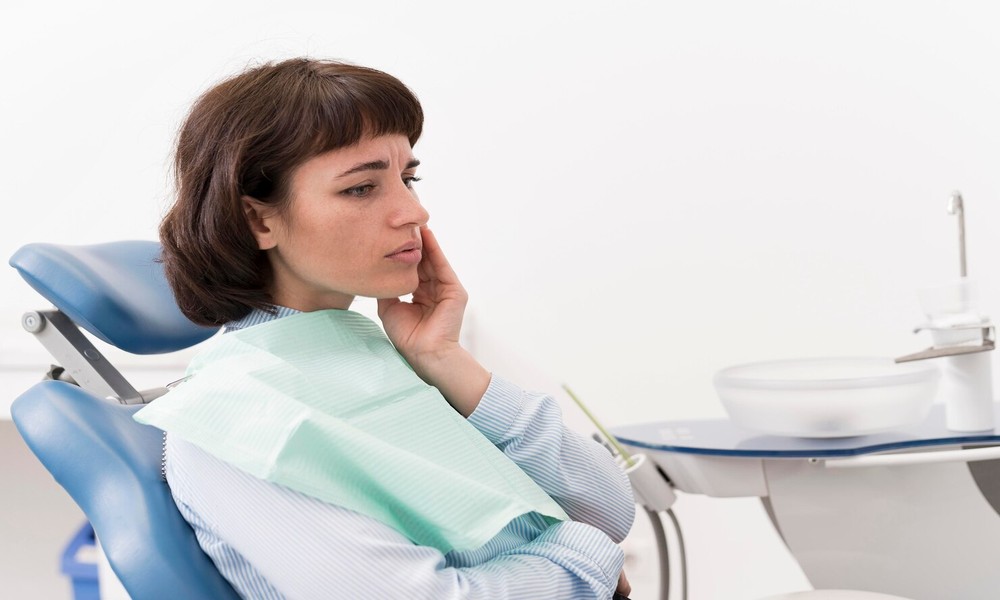
Dental anxiety is a common concern that affects millions of people worldwide. Many individuals delay or avoid dental visits because they feel nervous, fearful, or overwhelmed by the thought of dental procedures. While occasional nervousness is normal, severe anxiety can prevent patients from receiving essential oral healthcare, leading to worsening dental problems over time.
For some patients, fear becomes particularly intense when they believe they might require emergency dental care, especially if pain or trauma is involved. The uncertainty of unexpected dental procedures can heighten stress and make individuals hesitant to seek treatment even when it is urgently needed.
Fortunately, a compassionate dentist in Lake Mary understands these concerns and provides modern solutions designed to make dental visits more comfortable and stress-free. With advancements in technology, patient-centered care approaches, and relaxation techniques, dental professionals now offer a variety of ways to help anxious patients feel safe and relaxed during their appointments.
What Causes Dental Anxiety?
Dental anxiety can develop for many different reasons, and each patient may have a unique experience that contributes to their fear. Identifying the root cause is an important step in creating a comfortable and supportive dental environment.
One of the most common reasons for dental anxiety is past negative experiences. Patients who have previously experienced painful procedures or discomfort may associate dental visits with fear or distress.
Other factors that can contribute to dental anxiety include:
- Fear of pain during treatment
- Sensitivity to dental instruments or sounds
- Feelings of loss of control during procedures
- Embarrassment about oral health conditions
- Fear of needles or anesthesia
For some individuals, dental anxiety may also stem from general anxiety disorders or heightened sensitivity to medical environments.
Understanding these causes allows dental professionals to implement strategies that help patients feel more relaxed and in control throughout their visit.
Signs That Dental Anxiety May Be Affecting You
Many people experience mild nervousness before a dental appointment, but dental anxiety can manifest in more noticeable ways. Recognizing the symptoms can help patients seek appropriate support and solutions.
Common signs of dental anxiety include:
- Difficulty sleeping the night before a dental appointment
- Feeling nervous or uneasy while sitting in the waiting room
- Increased heart rate or sweating during dental visits
- Avoiding dental appointments for extended periods
- Feeling overwhelmed at the thought of dental treatment
Some individuals may even cancel or postpone appointments repeatedly due to fear. Unfortunately, delaying dental care often leads to more serious oral health problems that require complex treatment.
By addressing anxiety early, patients can maintain regular dental visits and prevent complications.
Modern Dentistry and the Comfort-Focused Approach
Dental practices today prioritize patient comfort and emotional well-being just as much as clinical excellence. Modern dental offices are designed to create a calming environment where patients feel relaxed from the moment they arrive.
Many clinics now incorporate features such as soothing lighting, comfortable treatment chairs, and welcoming waiting areas to reduce stress. Friendly staff members also play a crucial role in helping patients feel at ease by explaining procedures clearly and answering any questions.
In addition to a comfortable environment, dentists use advanced technologies that make procedures faster, more precise, and less invasive than in the past. Digital imaging, laser dentistry, and improved anesthesia techniques significantly reduce discomfort and shorten recovery times.
These advancements have transformed dental care into a much more patient-friendly experience.
Communication and Personalized Care
One of the most effective ways to reduce dental anxiety is through open communication between the patient and the dental team.
Dentists who specialize in treating anxious patients take the time to discuss concerns, explain procedures, and develop customized treatment plans. Knowing what to expect during a procedure can greatly reduce uncertainty and fear.
Patients are often encouraged to signal the dentist if they feel uncomfortable or need a break during treatment. This approach helps individuals feel more in control of the situation.
Personalized care may also include:
- Gradual treatment plans that address urgent issues first
- Shorter appointments to minimize stress
- Detailed explanations of each step in the procedure
When patients feel heard and supported, they are far more likely to feel relaxed and confident about receiving dental care.
Sedation Options for Anxious Patients
For individuals with moderate to severe dental anxiety, sedation dentistry can provide an effective solution. Sedation techniques help patients remain calm and comfortable throughout dental procedures.
Several sedation options may be available depending on the patient’s needs and the type of treatment required.
Nitrous Oxide (Laughing Gas): Nitrous oxide is a mild sedative inhaled through a mask. It helps patients feel relaxed and calm while remaining fully awake and responsive during the procedure.
Oral Sedation: Oral sedation involves taking a prescribed medication before the dental appointment. This method produces a deeper level of relaxation and may cause mild drowsiness during treatment.
IV Sedation: Intravenous sedation provides a more controlled and deeper level of sedation. Patients remain conscious but typically remember little about the procedure afterward.
These options allow dental professionals to perform necessary treatments while ensuring that patients remain comfortable and stress-free.
Relaxation Techniques That Help Reduce Dental Fear
In addition to professional dental solutions, patients can also practice relaxation techniques to manage anxiety before and during dental visits.
Simple strategies can significantly reduce stress and help patients feel more comfortable.
Helpful relaxation techniques include:
- Deep breathing exercises to calm the nervous system
- Listening to music or podcasts during treatment
- Practicing mindfulness or meditation before appointments
- Scheduling appointments at times when stress levels are lower
Some dental offices also provide amenities such as noise-canceling headphones, calming music, or soothing scents to create a more relaxing environment.
Combining these techniques with professional dental care can greatly improve the overall experience for anxious patients.
The Importance of Regular Dental Visits Despite Anxiety
Avoiding dental visits due to anxiety can lead to a variety of oral health problems. Small issues such as cavities or gum inflammation can progress into more serious conditions if left untreated.
Regular dental checkups allow dentists to detect early signs of dental problems and provide timely treatment. Preventive care helps maintain healthy teeth and gums while reducing the need for more complex procedures in the future.
Routine visits also help patients gradually become more comfortable with the dental environment. Over time, many individuals find that their anxiety decreases as they develop trust and familiarity with their dental team.
Maintaining consistent dental care is essential for preserving both oral health and overall well-being.
Creating a Positive Dental Experience for Every Patient
Dental anxiety is a real and understandable concern, but it should never prevent individuals from receiving the care they need. With modern dentistry’s emphasis on patient comfort, compassionate communication, and advanced sedation techniques, dental visits can become far less intimidating.
A supportive dental environment focuses on understanding each patient’s concerns and providing tailored solutions that promote relaxation and confidence. Whether through sedation options, calming office environments, or personalized treatment planning, dental professionals are committed to making every visit as comfortable as possible.
By addressing dental anxiety proactively, patients can overcome fear and take an important step toward maintaining healthy teeth, a confident smile, and long-term oral wellness.
