

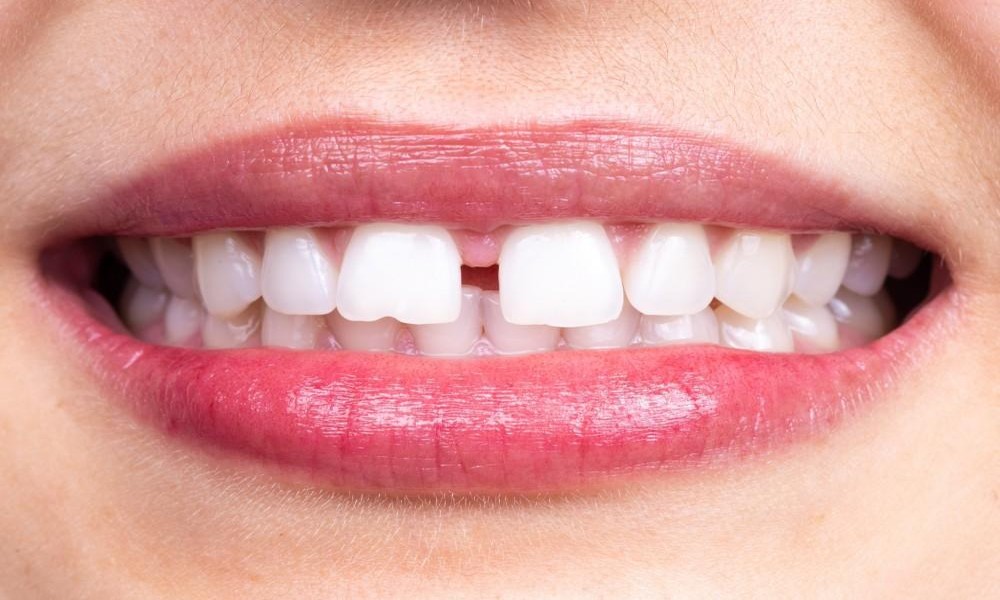
I used to think an overbite was just, you know, one of those tiny cosmetic things people worry about too much. Like slightly crooked bangs or uneven eyebrows. Nothing serious. But then I noticed a friend chewing slowly at lunch once, there was this faint clicking sound when their teeth met, and they kept shifting their jaw like they could not get comfortable. That is when it hit me. This is not just about looks. It actually affects daily life in quiet, annoying ways you do not notice until you really pay attention.
If you ever sit down with experts at Hwang Orthodontics, the top-rated adult orthodontist Monrovia clinic, they will explain this to you in a very calm, almost reassuring way. They focus a lot on adult patients who feel awkward starting treatment later in life. Which makes sense, honestly, starting braces or aligners when you already juggle work, responsibilities, social stuff, it feels intimidating at first. They build the treatment plans around lifestyle comfort, not just technical corrections, and I really love that thing about them.
What an Overbite Really Means
So, technically speaking, and this took me a moment to fully grasp, an overbite happens when the upper front teeth overlap the lower ones too much vertically. A slight overlap is totally normal. It is when the overlap becomes excessive that problems start creeping in.
People often notice small signs like:
- Upper teeth cover the majority of your lower teeth
- Jaw soreness after long meals
- Teeth wearing down unevenly
- Speech sounds slightly strained sometimes
And the odd thing is that many people do not realize they have one until a dentist casually mentions it during a routine visit.
Treatment Options That Usually Come Up
When I first looked into treatment, I honestly expected one simple fix. But no, it varies a lot depending on age, severity, jaw structure, and habits. That part felt overwhelming at first.
Common correction methods include:
- Traditional braces – very effective for moderate to severe overbites
- Clear aligners – discreet and convenient for milder cases
- Elastic bands – small but powerful in shifting bite alignment
- Jaw-guiding appliances – often used for growing teens
Treatment timelines also vary widely. Some people finish within a year; others take closer to two. There is no universal timeline.
What Treatment Feels Like Day to Day
People always ask about pain, but honestly, it is more pressure than pain. Like a steady, dull sensation reminding you that your teeth are slowly moving.
Typical experiences include:
After a while, though, it fades into the background. You stop thinking about it constantly.
The Quiet Emotional Shift
What surprised me most was not the physical change, but the emotional one. At first, you feel self-aware, hesitant to smile fully. Then gradually, you notice yourself relaxing. Smiling without thinking. Laughing without covering your mouth.
And when your bite finally aligns properly, there is no dramatic moment. Just a quiet sense of relief, like something subtle inside finally settled into place.
