

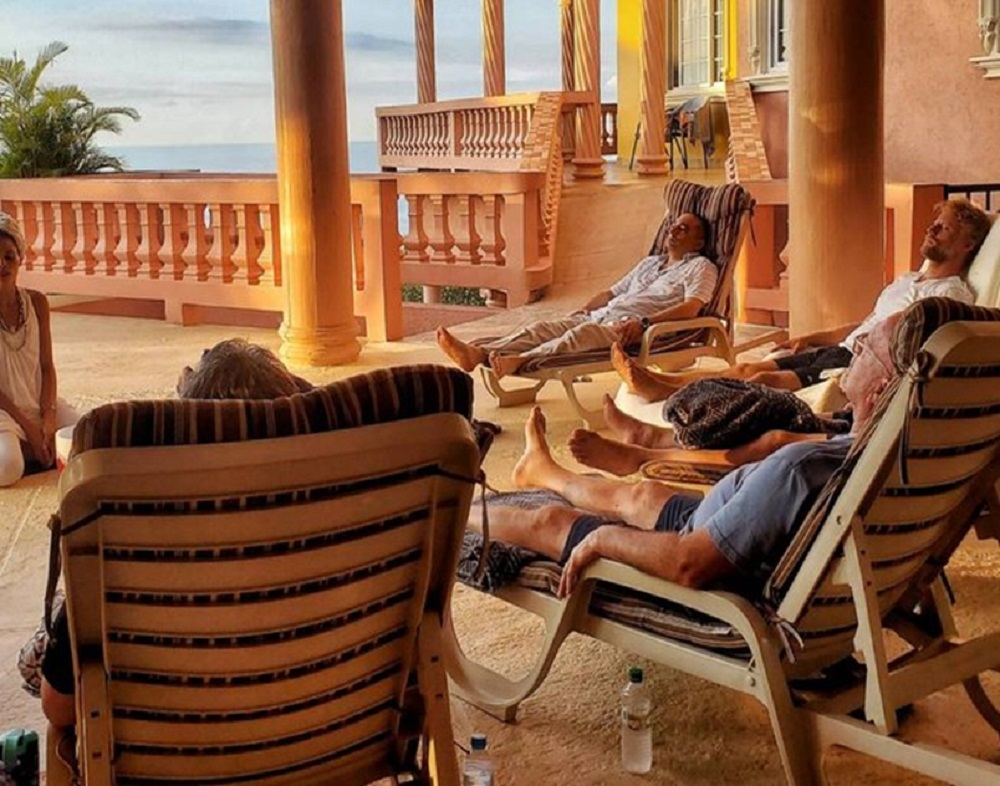
Interest in psychedelic healing continues to grow, but choosing a retreat can feel overwhelming. Legal frameworks vary widely, and not every program prioritizes safety or participant care. Jamaica offers a rare combination of legal clarity, relaxed surroundings, and structured support—making it an ideal destination for a guided psilocybin retreat experience focused on personal growth.
With a psilocybin retreat in Jamaica, over the course of six unhurried days, participants take part in two carefully facilitated ceremonies, supported by trained professionals and medical oversight, with ample time for reflection, rest, and integration near the sea.
Why Jamaica Offers a Clear and Legal Setting
Psilocybin mushrooms were never prohibited in Jamaica, and their cultivation and use remain lawful. This legal consistency removes uncertainty and allows participants to focus fully on their experience rather than navigating unclear regulations.
In other regions, access may depend on evolving pilot programs, limited licenses, or legal loopholes. In Jamaica, there are no workarounds required. The straightforward legal environment supports a calm mindset from the moment you arrive, reducing stress and supporting deeper preparation, ceremony work, and post-ceremony integration.
Program Overview: Six Days, Two Ceremonies
The retreat schedule is intentionally spacious, allowing participants to settle in without feeling rushed. A typical flow includes:
- Arrival and group orientation
- Preparation day focused on health screening and intention setting
- First psilocybin ceremony
- Rest, reflection, and light activities
- Second psilocybin ceremony
- Integration discussions and departure
Groups are kept small to maintain personal attention and a supportive atmosphere. Accommodations are set in a quiet coastal environment, allowing nature to play an active role in the experience.
Preparing Before You Arrive
Medical and Psychological Screening
Preparation begins well before travel. Participants complete a confidential health assessment covering medical history, prescriptions, and mental well-being. A routine checkup with a personal healthcare provider is strongly recommended to ensure physical readiness.
Strong physical health supports emotional clarity and reduces unnecessary risks during the retreat.
Mental and Emotional Preparation
Intentions help guide the experience. Participants are encouraged to reflect on a few meaningful themes—such as healing, clarity, or personal direction—and refine them through guided preparation sessions prior to arrival.
Simple daily practices like mindful breathing and body awareness help build familiarity with introspection. Embracing small changes in everyday life—trying new routines or stepping slightly outside comfort zones—can also strengthen resilience ahead of the retreat.
Physical Preparation
In the weeks leading up to travel, gentle lifestyle adjustments can support the process:
- Focus on whole, nourishing foods
- Avoid alcohol and minimize caffeine
- Engage in light movement like walking or stretching
- Prioritize consistent, restorative sleep
- Stay well hydrated
These habits help the body remain balanced and responsive.
What to Pack
A retreat in a tropical climate calls for simplicity. Consider bringing:
- Breathable clothing suitable for warm weather
- A journal for reflection and note-taking
- Sun protection and insect repellent
- A reusable water bottle
- Small cash for local purchases
- An open and curious mindset
Packing lightly allows you to stay flexible and present.
Inside the Ceremony Experience
Individualized Dosing
Psilocybin experiences are not one-size-fits-all. Dosage is tailored based on personal history, health screening, and prior experience. Facilitators discuss expectations openly to ensure comfort and clarity.
Guided Inner Journey
Participants rest on cushioned mats, with optional eyeshades, while a carefully selected music sequence supports the journey. Gentle verbal guidance and breath reminders help anchor awareness and encourage a sense of safety throughout the experience.
Safety and Support
Medical professionals oversee each ceremony, monitoring well-being and remaining available if support is needed. Staff-to-participant ratios are intentionally low, ensuring attentive care. Emergency resources are in place, though thoughtful screening and preparation minimize the likelihood of intervention.
Ritual and Cultural Elements
Ceremonies may include symbolic rituals that honor direction, intention, and reflection. Simple offerings and gestures help participants connect meaningfully to their goals, blending traditional elements with modern safety practices. This balance supports both emotional depth and grounded awareness.
Life Between Ceremonies
The time between ceremonies is designed for rest, movement, and connection. Mornings may include gentle yoga or breathwork, followed by nourishing meals made with fresh, locally sourced ingredients.
Afternoons often offer optional activities such as swimming, nature walks, or quiet exploration of nearby beaches and trails. These experiences encourage grounding and help integrate insights as they arise naturally.
Evenings are calm and reflective, often spent in conversation or quiet observation under open skies, free from digital distractions.
Why the Environment Matters
Healing does not happen only during ceremonies. The surrounding environment plays a powerful role in supporting integration. Ocean air, natural light, fresh food, and unstructured time allow insights to settle organically.
Unlike clinical settings that keep participants indoors, a tropical retreat setting invites nature into the process—creating space for reflection, rest, and meaningful change.
A psilocybin retreat in Jamaica offers more than a guided experience. It provides a supportive container where legal clarity, professional care, and the natural world come together to support lasting personal growth.
